Can You Fit a Towbar to a Car on Finance?
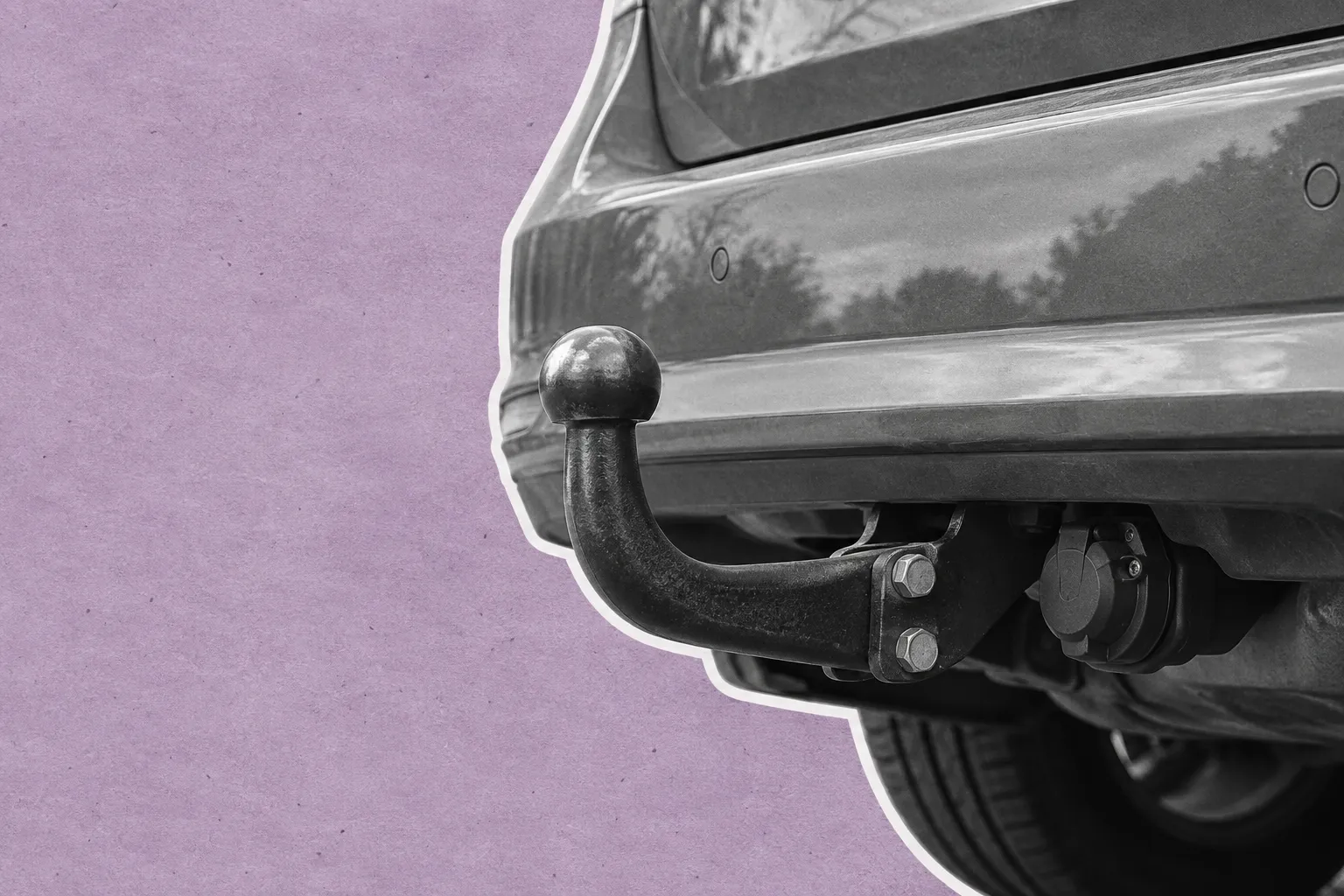
A towbar needs more than a fitting quote. Check finance permission, the car’s towing capability, insurance and what happens when the agreement ends.
A towbar can be possible on a financed car, but a fitter’s “yes” only answers part of the question. The finance agreement must permit the alteration, the exact vehicle must be suitable for the intended load, and your insurer needs to accept the change.
Deal with those points before paying for installation. They also apply when the towbar is intended for a cycle carrier rather than a caravan: tell each provider what you actually plan to use it for.
Permission includes what happens when the car goes back
With PCP or hire purchase, the finance company normally retains ownership until the required payments are completed. Read the clauses on alterations, accessories and vehicle condition. Leasing terms can be particularly prescriptive because return of the car is built into the arrangement.
Send the lender the towbar specification, fitter's details and intended use. Explain whether you want to tow a caravan or trailer, or use a towbar-mounted cycle carrier. Ask whether permission depends on a particular type of equipment, manufacturer-approved fitting or removal before return.
Get the response in writing and keep it with the agreement. A dealer's verbal assurance is not the same as consent from the finance company. Our guide to modifying a financed car explains the wider permission issue.
Removal can leave more than a missing towball
Ask whether the towbar may remain if you return the car, and whether any removal must be carried out professionally. Confirm how damage to trim, wiring or paint will be handled. Keep the original parts if the lender requires reinstatement and storage is practical.
Do not assume adding a towbar increases the car's value by what you paid. If you part-exchange, the buyer's valuation may differ. If you pay the PCP optional final payment and keep the vehicle, return-condition questions may be less relevant, but the earlier permission and safety requirements still mattered.
Whether you intend to return, part-exchange or keep the car affects that decision. The finance end options should be clear before you agree work that may need reversing.
Establish what your exact car can carry or tow
Different engines, transmissions and versions of the same model can have different towing limits. Some vehicles are not approved for towing at all. A similar-looking car with a towbar is not evidence that yours has the same capability.
Check the owner's handbook, manufacturer specification and vehicle identification plate. The permitted loaded trailer weight and the gross train weight are both relevant. Gross train weight includes the fully loaded car and trailer together; passengers and luggage do not disappear from that calculation.
If the VIN plate does not show a train weight, official guidance says the vehicle should not be used for towing. Ask the manufacturer to resolve uncertainty before spending money. Electric and hybrid vehicles need the same model-specific check rather than assumptions based on their power output.
Insurance: get an answer before fitting
Contact your insurer before the work. Explain the modification and whether you plan to tow or carry cycles. Ask whether it changes the premium, excess, cover or any restrictions. Insurers may treat modifications differently, so do not rely on another driver's experience.
Also ask what cover applies to the trailer, caravan or bicycles themselves. A car policy's treatment of towing does not necessarily insure the trailer against theft or damage. If the equipment has separate insurance, make sure the intended combination meets that policy's terms too.
Keep the insurer's confirmation. A modification that costs little or does not improve performance can still be relevant to the policy. The question is what the insurer requires you to disclose, not whether you consider the towbar a major change.
Warranty and maintenance after fitting
Ask the manufacturer or warranty provider whether the proposed installation has particular requirements. Poorly fitted electrics or damage caused by the work could create a dispute about a later fault. Avoid the blanket assumption that all warranty cover either remains untouched or becomes void the moment a towbar is fitted.
Find out whether towing changes the manufacturer's recommended checks or servicing for your use. Regular heavy loads can make maintenance planning different from occasional use of a small trailer. Follow the actual schedule and keep records of work carried out.
A factory-fitted towbar on a car you are buying may simplify some questions, but still check its condition, suitability and the finance and insurance arrangements. Included equipment is not a substitute for knowing its limits.
Specify the installation properly
Give the fitter the vehicle's VIN and explain the intended trailer, caravan or carrier. Ask for a written quote identifying the towbar, electrical connections, coding or setup work and any alteration to the bumper.
A detachable towball does not necessarily mean the whole installation disappears without a trace. The mounting structure, wiring and any bumper cut may remain. This matters if the lender requires the car returned in a particular condition.
Use a competent installer and obtain the invoice, equipment details and relevant approval documentation. Ask for a demonstration of fitting, locking and removing detachable components, and how to check the electrical connection. Keep any keys and instructions with the equipment so they are available throughout the agreement.
Before the first towing journey
Check your driving entitlement and the rules for the country where you will drive. Do not confuse a licence allowance with the car's lower towing limit. Confirm loaded weights, tyre condition, lights, mirrors, coupling and breakaway or secondary coupling arrangements as applicable.
If you are new to towing, practical training can help before a long trip. Have the fitter demonstrate detachable components and connections, and make the loaded weight and safety checks part of preparing each journey.
Buy now, pay monthly
Buy now, pay monthly