Buying a Car Before Selling Your Old One: How to Budget
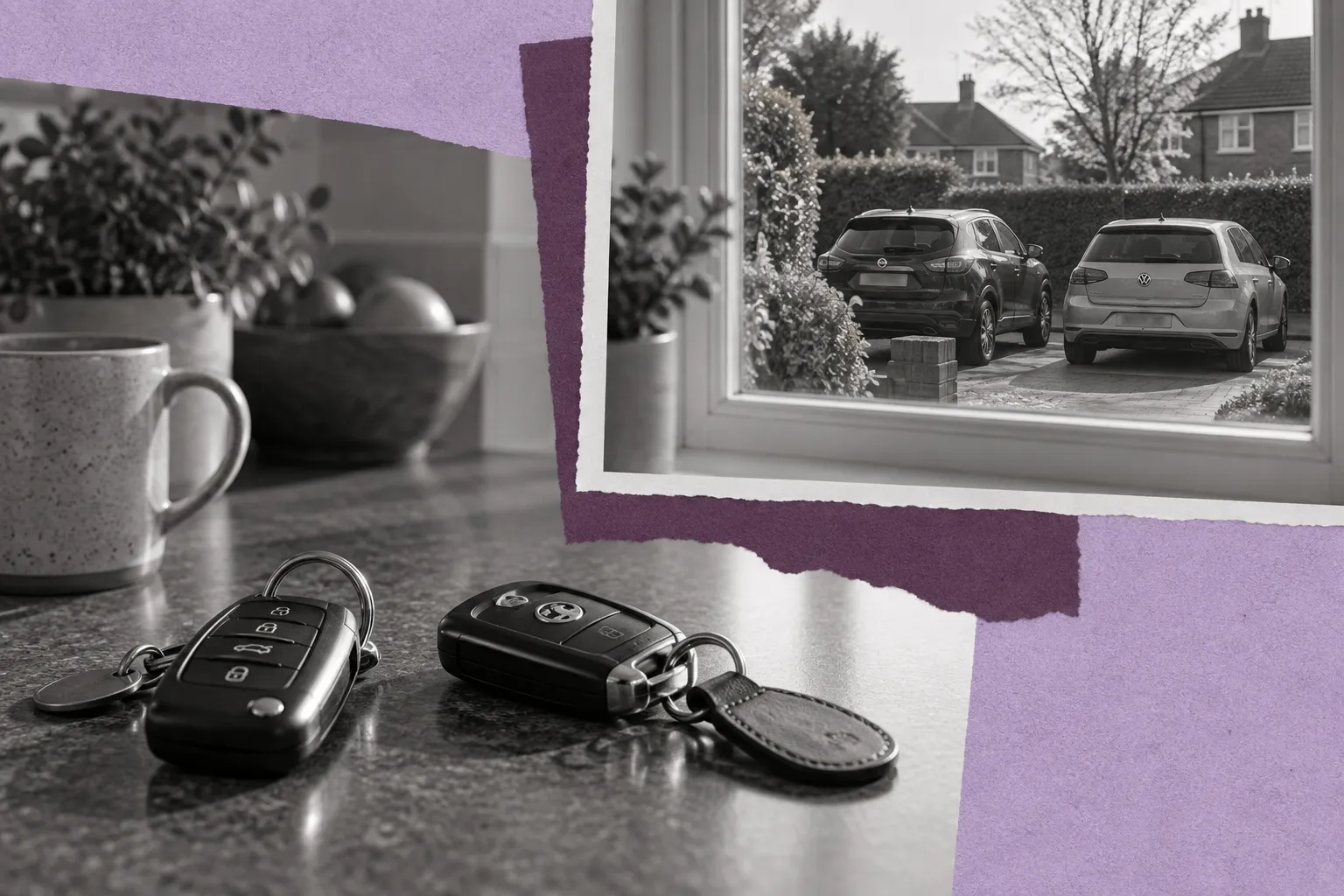
Buying first can make changing cars easier, but you need money for the overlap and a plan if the old car takes longer to sell. Work from confirmed figures.
The replacement car needs a deposit this week; your old car is still advertised. That gap is what you have to fund. An online valuation, or even an interested buyer, is not money available for the next purchase.
Plan the change in three stages: cash needed before buying, bills while you own both cars, and money released once the old sale and any finance settlement are complete. A slower sale needs to be survivable at each stage.
Before Purchase: What Must You Fund Without the Sale?
Before reserving the replacement, list the money required for its deposit or cash price, insurance, tax, travel or delivery and immediate work. Add any inspection or registration expenses.
Then identify where that money will come from before the old car sells. Savings are different from planned sale proceeds. An overdraft or another loan introduces a separate repayment commitment and should not be treated as a free temporary bridge.
If the purchase only works when a private buyer pays an optimistic asking price next weekend, the budget is fragile. Consider waiting, choosing a lower-priced replacement or arranging a coordinated part exchange.
During the Overlap: Two Cars, Two Sets of Bills
Include the costs that continue on the old vehicle and the costs that start on the new one. The example below assumes a two-month overlap and is not a quote for finance, insurance or tax.
Overlap Item
- Old car finance at £220 monthly. Illustrative Two-Month Cost: £440.
- New car finance at £280 monthly. Illustrative Two-Month Cost: £560.
- Old car insurance, tax and parking provision. Illustrative Two-Month Cost: £160.
- New car insurance, tax and parking provision. Illustrative Two-Month Cost: £180.
- Advertising and sale preparation. Illustrative Two-Month Cost: £100.
- Total before fuel and unexpected work. Illustrative Two-Month Cost: £1,440.
The new car would have costs even without an overlap, so distinguish the whole cash requirement from the extra cost of keeping the old one. Both figures are useful: one shows how much money must be available, the other helps compare selling routes.
If the Sale Takes Another Month
Repeat the overlap budget for an extra month and a lower selling price. In the example above, the two finance instalments alone add another £500 for that month.
Set a review date for the advert and decide how far you can reasonably reduce the price. A small price reduction might cost less than another month of ownership, but compare genuine offers rather than reacting to the first low bid.
Also consider practical limits: where both cars will park, whether either needs an MOT or service and how much time you can spend on viewings. A financial buffer does not solve an unavailable parking space.
Once Sold: What Will the Old Car Release?
Start with a realistic purchase offer or a cautious private-sale estimate. Deduct any outstanding finance settlement and costs specifically associated with selling.
In a separate sale-proceeds example, an £8,000 sale with a £5,500 settlement and £150 selling costs leaves £2,350. These figures are illustrative. If your new deposit requires £3,000, the old car would not supply all of it even if the sale completed immediately.
Obtain a current settlement figure and note its expiry date. If the sale is delayed, ask for an updated amount. Check whether a payment due during the quote's validity has been accounted for.
Insurance While Both Cars Are Yours
Ask the insurer how it handles a change of car when the old one remains yours. Options and prices vary. You might need temporary additional cover or a separate policy; do not assume transferring cover to the new car leaves the old one insured.
Explain whether the old car will be driven, viewed or test-driven and where it will be kept. Ask how any no-claims discount can be used. It is not automatically available on two separate policies at once.
In Great Britain, a vehicle generally needs insurance unless it is kept off the road and declared SORN. Northern Ireland has different continuous-insurance rules. Either way, driving on roads or in public places requires the appropriate cover.
SORN is not a convenient label for a car still parked on the road or being used for ordinary test drives. Check the official conditions and the lender's insurance requirements before considering that option.
How the Existing Finance Fits Into the New Application
Tell the lender about the existing agreement and your plan to sell. A future sale does not automatically remove the old payment from an affordability assessment. The provider decides what evidence and conditions it needs.
If you still owe HP or PCP finance, follow the lender-approved sale and settlement process. Our guide to selling a financed car explains why you cannot simply present it as yours to sell without restriction.
Do not cancel the existing Direct Debit because an advert is live or a dealer says settlement is being arranged. Keep paying unless the lender confirms otherwise, then check the account closes correctly and any payment adjustment is handled.
If the Gap Is Too Expensive
A part exchange can coordinate the handover, though the allowance may differ from a private-sale price. Selling first and using temporary transport may also be cheaper in some circumstances.
Whichever route you use, record the agreed dates and figures. After the sale, finish the DVLA notification and insurance update, and obtain confirmation of any finance settlement. That is when you can reconcile the budget against the money actually released.
Buy now, pay monthly
Buy now, pay monthly