Business Overdrafts: What Is a Business Overdraft?
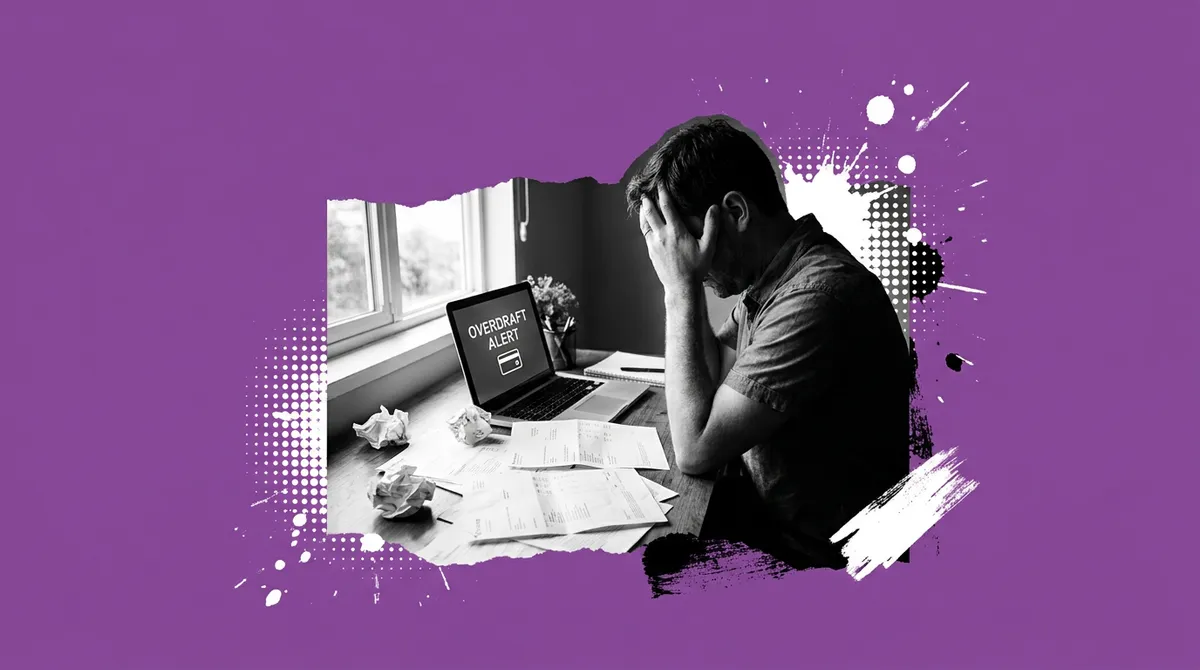
Money That Buys You Breathing Room
Cash coming in and cash going out rarely line up neatly. A customer pays late, a supplier invoice lands early, and suddenly the business account looks thinner than you would like. A business overdraft is one of the simplest tools designed for exactly those moments. It lets you dip below zero on your business bank account, up to a limit you have agreed in advance, and pay it back when money arrives. Here is how it actually works, in plain English.
Is This Guide Written For You?
This is for UK sole traders, limited company directors and small business owners who occasionally run short of cash between payments. It will also help anyone weighing an overdraft against a loan or credit card, or anyone who has been declined and wants to understand why.
The Basics, Without The Banking Jargon
A business overdraft is a line of credit attached to your business current account. Rather than receiving a lump sum, you are given permission to withdraw more money than the account holds, up to an agreed ceiling. The British Business Bank describes it as short-term cash flow support, and that phrase does a lot of work: it is not a long-term borrowing solution.
There are two versions, and the difference matters. An arranged overdraft is agreed with your bank in advance, with a set limit and known pricing. An unarranged overdraft happens when you go beyond that limit, or dip into the red with no facility in place at all. The second is considerably more expensive and is best avoided.
One more feature to understand: overdrafts are usually granted for a fixed window. HSBC UK sets up arranged business overdrafts for a period of up to 12 months, and Metro Bank also offers facilities for up to 12 months with annual renewal. So this is a facility to be reviewed, not a permanent fixture.
How The Mechanics And Costs Stack Up
You apply, the bank assesses your business, and if approved a limit is attached to your account. From that point the facility sits there quietly until you need it. Interest is charged only on the amount you are actually overdrawn by, not on the full limit, which is the key difference from a term loan with fixed monthly repayments. Santander describes its business overdraft as a short-term safety net where you pay an annual fee plus interest on what you use.
Repayment is generally flexible. Money paid into the account reduces the overdrawn balance automatically, so the debt shrinks as your cash flow recovers. There is no fixed schedule to keep to.
Limits differ enormously between providers. Santander lists business overdrafts from £500 to £25,000, Metro Bank advertises up to £60,000, and HSBC says it can offer up to £100,000. Lloyds Bank notes that new customers opening a business current account may be able to access up to £5,000 across an overdraft or business credit card. What you are offered depends on the lender, your trading record and your banking relationship.
Why Businesses Choose Them
The appeal is flexibility. Most short-term cash gaps are timing problems rather than profitability problems: a big client pays on 60-day terms, or trade dips for a quiet month, or a van needs an unexpected repair. Borrowing a fixed lump sum over five years to solve a three-week gap is clumsy and expensive. An overdraft sits in the background, costs nothing while unused beyond any arrangement fee, and switches on the moment you need it.
That makes it well suited to seasonal businesses, firms with long payment terms, and anyone who wants a buffer against surprises. It also helps you avoid the far higher cost of unarranged borrowing, because having a pre-agreed limit means an accidental dip into the red is covered on known terms.
An overdraft is a shock absorber, not an engine. It smooths bumps; it does not fund the journey.
Where overdrafts fall down is long-term borrowing. If you need money for expansion, equipment or a persistent shortfall, a structured facility will almost always be cheaper.
Weighing Up Both Sides
| Advantages | Drawbacks |
|---|---|
| Interest charged only on what you actually use | Rates are often higher than secured borrowing |
| Funds available instantly, with no reapplication each time | Typically arranged for up to 12 months, then reviewed |
| Flexible repayment as cash flows back in | The bank can usually demand repayment at any time |
| Useful protection against accidental unarranged charges | Annual or arrangement fees may apply even if unused |
| Simple to manage through your existing account | Usually requires an existing business current account |
| Good fit for short-term, unpredictable gaps | Poor value if the balance stays overdrawn for months |
Points Worth Checking Before You Sign
First, pricing. Metro Bank publishes an example rate of 14.13% EAR on one overdraft band, but business overdraft pricing varies sharply by lender, credit profile and whether the borrowing is arranged or unarranged. Headline rates rarely tell the whole story, so ask about arrangement fees, annual renewal fees and any charges for exceeding your limit.
Second, the review cycle. Because facilities are commonly set for up to 12 months and renewed annually, continued access depends on your trading performance and how you have conducted the account. A facility you relied on last year is not guaranteed next year.
Third, repayable on demand. The British Business Bank notes a bank may charge a fee and can demand repayment at any time. That flexibility runs both ways.
Finally, eligibility. Metro Bank requires applicants to be UK residents, directors with at least 20% ownership, and businesses registered in the UK trading for at least seven months. Lloyds requires you to already hold a Business Current Account. Your choice of bank account today shapes your borrowing options tomorrow.
Other Routes To Short-Term Funding
- Business credit card - useful for smaller, everyday purchases, with an interest-free window if the balance is cleared each month. Lloyds, for instance, may combine overdraft and credit card availability for new account holders.
- Short-term business loan - a fixed sum repaid over a set term, giving predictable monthly costs. Better than an overdraft when you know exactly how much you need and for how long.
- Invoice finance - releases cash tied up in unpaid customer invoices, which suits businesses whose gap is caused by long payment terms rather than weak trading.
- Revolving credit facility - works much like an overdraft but is provided separately from your bank account, so it does not depend on your existing banking relationship.
- Merchant cash advance - repayments flex with card takings, which can help retail and hospitality businesses with uneven daily revenue.
- Asset finance - spreads the cost of equipment or vehicles, freeing working capital that would otherwise be spent upfront.
- Supplier or trade credit - negotiating longer payment terms with suppliers costs nothing and may remove the need to borrow at all.
Common Questions Answered
Do I pay interest on my whole overdraft limit? No. Interest applies only to the amount you are overdrawn by. If you have a £20,000 limit and use £2,000, you pay interest on £2,000. Separate annual or arrangement fees may still apply even if you never dip into it.
How long does a business overdraft last? Usually up to 12 months. HSBC UK sets up arranged business overdrafts for a period of up to 12 months, and Metro Bank renews its facilities yearly. Renewal depends on your trading performance and how you have run the account.
How much could I borrow? It varies widely. Santander lists limits from £500 to £25,000, Metro Bank up to £60,000, and HSBC up to £100,000. Your offer depends on the lender, your turnover, your credit profile and your banking history.
Can I get an overdraft without a business bank account? Rarely. Lloyds requires an existing Business Current Account, and Metro Bank ties access to its own account. If you need standalone borrowing, a revolving credit facility or short-term loan may suit better.
What is an unarranged overdraft? Borrowing that has not been pre-agreed, either because you exceeded your limit or had no facility. It is typically priced far more aggressively and may carry extra penalties, so it is worth avoiding.
Will applying affect my credit file? Lenders normally carry out credit checks on the business and often the directors, so an application may leave a footprint. Check with the provider before applying.
Can the bank withdraw my overdraft? Yes. Overdrafts are generally repayable on demand, which is why they should not be treated as permanent funding.
Where Kandoo Fits In
Kandoo is a UK finance broker, which means our job is to help you understand the options and find funding that genuinely fits the problem you are trying to solve. If your cash flow gap is short and unpredictable, an overdraft with your bank may be the right answer. If it is larger, longer or tied to invoices or equipment, we can help you compare alternatives across the market. No pressure, no jargon, just a clear view of what is available and what it would cost.
Important Information
This article is general information about UK business overdrafts and is not personal financial advice. Product limits, rates, fees and eligibility criteria are set by individual lenders and can change without notice, so always check current terms directly with the provider. Borrowing is subject to status, affordability and credit checks. If you are unsure what suits your business, consider speaking to a qualified financial or accounting professional.
Buy now, pay monthly
Buy now, pay monthly