Bridging Loans: What Is a Bridging Loan?
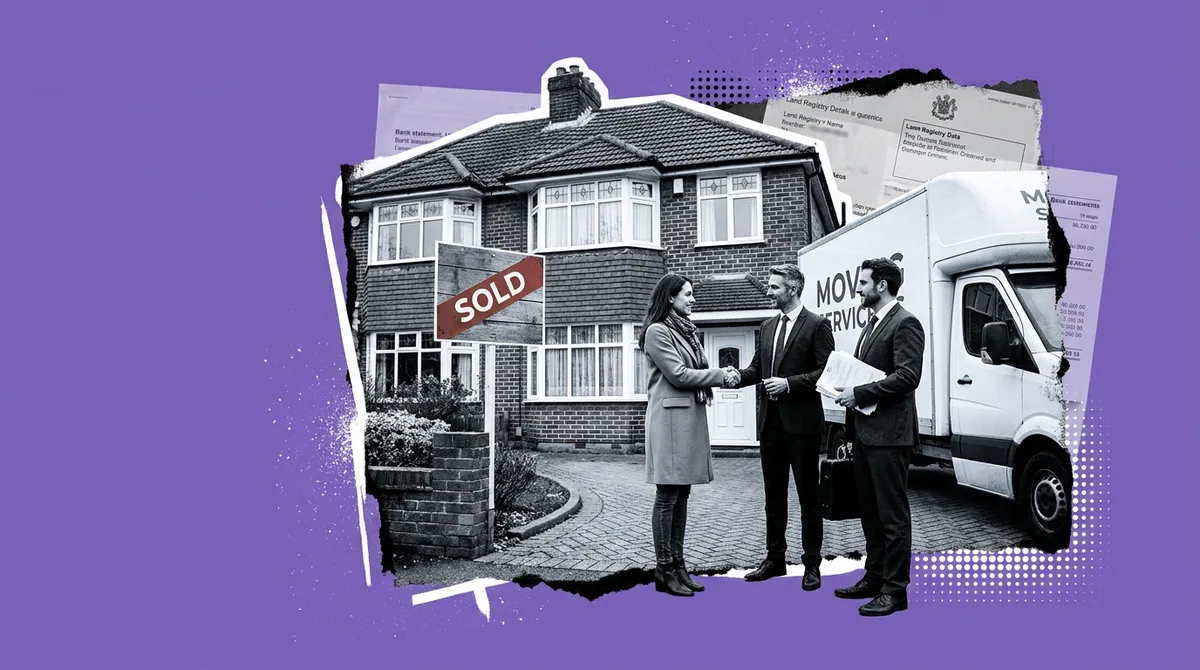
Bridging the Gap: A Simple Starting Point
Sometimes money is needed before money arrives. You have found a property, the clock is ticking, and the funds you are relying on are tied up somewhere else. A bridging loan is designed for exactly that moment. It is short-term borrowing that covers a temporary gap, then gets repaid once your sale completes or longer-term finance is in place.
Below, we explain how bridging loans work in the UK, what they cost, and where the risks sit - in plain English, with no assumptions about what you already know.
Who Tends to Look at This Type of Borrowing
Bridging finance tends to suit homeowners caught in a broken chain, buyers at property auctions with tight completion deadlines, landlords refurbishing a property that is not yet mortgageable, and developers or business owners managing short-term timing gaps. It is generally not for anyone seeking long-term, open-ended borrowing.
What a Bridging Loan Actually Is
A bridging loan is a short-term, secured loan that "bridges the gap" between needing money and receiving it. In the UK it is almost always secured against property, usually with a first legal charge, and sometimes a second charge behind an existing mortgage. In certain cases a second property or another asset can be used as security instead.
Terms are deliberately short. Most UK bridging loans run from a few weeks up to 12 months, with some lenders offering up to 24 months depending on the purpose and property. The loan is not designed to be carried indefinitely, and pricing reflects that.
Repayment is also structured differently from a standard mortgage. You typically service or roll up the interest during the term, then repay the capital in a single lump sum at the end. That final repayment comes from your "exit" - most often the sale of a property or a remortgage onto longer-term finance.
A bridging loan is a bridge, not a destination. Its whole design assumes you already know where you are landing.
How the Process Works in Practice
Because the loan is asset-backed, lenders concentrate on two things: the value and quality of the property offered as security, and the credibility of your exit strategy. Long income histories matter less here than they would for a residential mortgage, which is one reason bridging can move so quickly.
Borrowing is capped by loan-to-value. Around 75% LTV is the widely cited UK benchmark, though the exact ceiling depends on the lender, the property type and your circumstances. Some specialist lenders structure deals differently, but as a rule of thumb you will need meaningful equity of your own.
Speed is the headline feature. Specialist brokers report that straightforward cases can complete in as little as five days, while more complex cases may take several weeks. That compares with the weeks or months a mainstream mortgage can require. To achieve it, lenders will want a valuation, solicitors instructed early, and clear evidence of how the loan will be repaid. The tighter your paperwork, the faster things tend to move.
Why Borrowers Choose It Despite the Cost
The reason is almost always timing. At auction, you may have 28 days to complete and no mortgage offer in sight. In a chain, a buyer can pull out and leave your onward purchase exposed. With a refurbishment project, the property may be unmortgageable until the work is finished. In each case, bridging finance unlocks a transaction that mainstream lending simply cannot reach in time.
There is a commercial version too. The British Business Bank describes commercial bridging loans as short-term finance for businesses needing to cover a temporary cash-flow gap - for example, when a payment falls due before an expected receipt or a longer-term facility arrives. Again, the point is timing rather than permanence.
The trade-off is cost and discipline. You are paying a premium for speed and flexibility, and you are accepting that a fixed repayment date is coming. Used well, that premium buys you an opportunity you would otherwise lose. Used carelessly, it becomes an expensive problem.
Weighing the Benefits Against the Drawbacks
| Advantages | Disadvantages |
|---|---|
| Fast completion - some simple cases in around five days | Costs more than a standard mortgage or secured loan |
| Useful where property is unmortgageable or needs work | Arrangement, legal, valuation and exit fees add up |
| Lending decisions focus on property value and exit route | Your property is at risk if you cannot repay |
| Can rescue broken chains and meet auction deadlines | Requires a credible, evidenced exit strategy |
| Interest can often be rolled up rather than paid monthly | Rolled-up interest reduces the net funds you receive |
| Available to homeowners, landlords, developers and businesses | Not all bridging loans are FCA-regulated |
| Flexible terms from weeks to around 24 months | Deposit or equity of roughly 25% is often needed |
Points Worth Checking Before You Commit
Start with the pricing structure. UK bridging loans are usually quoted as a monthly interest rate rather than an annual one. Typical rates sit somewhere around 0.55% to 1.25% per month, and arrangement, legal, valuation and sometimes exit fees are added on top. A small-looking monthly figure can build quickly, so always ask for the total cost over the full term, not just the rate.
Next, check the regulatory status. In the UK, whether a bridging loan falls under Financial Conduct Authority regulation depends on how it is used. Loans for a regulated residential purpose - such as buying or refinancing your own home - may be FCA-regulated, while many investment and commercial bridging loans are not. That difference affects your consumer protections, the affordability checks applied and the disclosures you receive. If you are a homeowner, confirm this in writing before proceeding.
Finally, stress-test the exit. Ask yourself what happens if your sale falls through or your remortgage is delayed, and what the lender's extension terms and default charges look like.
Other Routes Worth Considering First
- A standard residential or buy-to-let mortgage - slower to arrange, but almost always cheaper if your timescales allow.
- A remortgage or further advance - releasing equity from a property you already own, often at mainstream rates.
- A second-charge secured loan - borrowing against existing equity while keeping your current mortgage intact.
- Development or refurbishment finance - purpose-built for projects, with funds released in stages as work progresses.
- An unsecured personal loan - suitable for smaller sums where no property security is offered.
- A business loan or invoice finance facility - a common answer to short-term commercial cash-flow gaps.
- Negotiating your timeline - extending a completion date or agreeing a longer deadline can remove the need to borrow at all.
Common Questions Answered
How quickly can a bridging loan complete? Straightforward cases can complete in around five days, though several weeks is more realistic where the property or ownership structure is complex.
How long can I keep a bridging loan? Most UK bridging loans run from a few weeks up to 12 months, with some lenders offering terms of up to 24 months.
How much can I borrow? This depends on the value of the security. Around 75% loan-to-value is a common UK ceiling, so you will usually need equity or a deposit covering the rest.
Do I make monthly payments? Often not. Interest can be serviced monthly or rolled up and settled at the end, with the capital repaid in one lump sum from your exit.
What counts as an exit strategy? Most commonly the sale of a property or a remortgage onto longer-term finance. Lenders will want evidence that it is realistic.
Is a bridging loan regulated? It depends on the purpose. Some residential bridging loans are FCA-regulated; many investment and commercial ones are not. Always ask.
Can I get one with imperfect credit? Possibly, as lenders focus heavily on the property and the exit route, but pricing and terms may reflect the added risk.
Where Kandoo Fits In
Kandoo is a UK finance broker, so our role is to help you understand your options and compare them clearly. We can talk through whether bridging finance genuinely suits your timescales, what the total cost is likely to look like, and whether a mortgage, secured loan or business facility would serve you better. No pressure and no jargon - just a straightforward conversation before you commit to anything.
Important Information
This article is general information only and is not financial advice or a recommendation. Bridging loans are secured against property, and your property may be at risk if you do not repay. Rates, fees, terms and lending criteria vary by lender and can change. Not all bridging loans are FCA-regulated. Always seek advice tailored to your circumstances before borrowing.
Buy now, pay monthly
Buy now, pay monthly