Bridging finance for pubs and restaurants
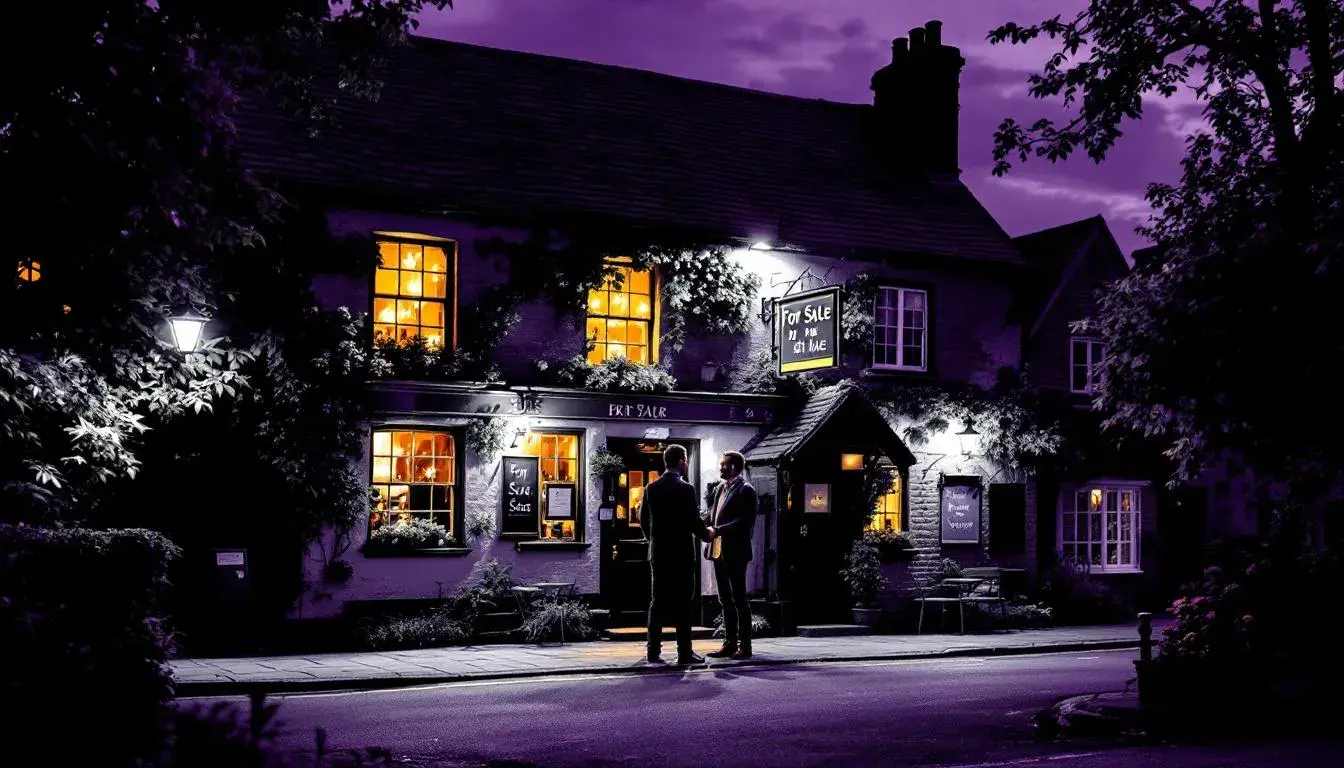
Move fast when opportunity knocks
In the UK hospitality market, the best pub and restaurant opportunities rarely wait. Auctions close in weeks, administrators move quickly, and properties in need of work often fail standard mortgage checks. Bridging finance gives buyers the speed and certainty to act - short-term funding that can cover the purchase of a trading venue, a freehold or leasehold, or a property requiring renovation before it qualifies for a long-term mortgage.
The appeal is straightforward. Bridging loans can deliver up to 75% loan to value as standard, and in some cases up to 100% with additional security across other assets. Funds can arrive within days, easing the pressure of tight deadlines. For pubs and mixed-use properties in England and Wales, this means you can secure the site, invest in repairs or upgrades, and then refinance onto a commercial or mixed-use mortgage once the property and trading figures meet lender criteria.
Market conditions also matter. With more distressed assets available, pricing can be attractive for operators who can complete quickly. That speed, combined with a credible plan, lets you turn short windows of opportunity into long-term value. Bridging is equally useful for stabilising cash flow, paying VAT on completion, or consolidating expensive short-term liabilities while you prepare for a cheaper exit.
Rates are priced monthly and start from around 0.45% to 1.00% depending on risk, property condition, and your exit strategy. Terms typically run 1 to 24 months, with loan sizes from £50k to £50m and, with some lenders, no formal upper ceiling where security supports it. The key is not just access to capital - it is clarity on how you will repay, whether via sale or refinance once you have improved the property and the trading profile.
Speed wins auctions - but a solid exit wins approvals.
Who benefits from this type of funding
Bridging suits UK buyers who need to complete quickly or who are purchasing a venue that a traditional lender will not touch until works are done. That includes operators bidding at auction, tied leaseholders acquiring the freehold, and investors taking on mixed-use assets where residential and commercial space combine under one roof. It can also support established hospitality groups expanding their estate, funding refurbishments, or releasing equity for next-stage growth.
If you have strong trading accounts, a realistic refurbishment budget, and a route to refinance within 6 to 18 months, bridging can bridge the gap between today’s price and tomorrow’s potential. If you are rebuilding a venue’s EBITDA and need time to prove affordability for a mortgage, it can buy that time.
Paths you can take
Buy at auction using bridging, complete within 28 days, then refinance.
Purchase a tired pub requiring works, fund renovations, then remortgage onto mixed-use terms.
Acquire a trading venue at pace, stabilise profits, and exit to a term loan.
Use additional security to reach up to 100% of purchase price.
Cover VAT on completion with a VAT bridging facility and repay on reclaim.
Refinance existing debt quickly to release working capital for growth.
Consolidate short-term liabilities while you prepare the property for lending.
What it costs and what it could mean
| Item | What it means | Typical range | What to watch |
|---|---|---|---|
| Monthly interest | Pricing set per month, not APR | ~0.45% - 1.00% pcm | Watch compounding if rolled up |
| LTV | Portion of value financed | Up to 75% standard, 100% with extra security | Ensure valuations are realistic |
| Fees | Arrangement, legal, valuation, broker | 1% - 2% plus costs | Some lenders refund valuations on qualifying loans |
| Term | Duration of the bridge | 1 - 24 months typical | Overruns can trigger extension fees |
| Exit | Sale or refinance route | Mixed-use or commercial mortgage | Lenders prioritise credible, timed exit |
| Returns | Potential uplift from refurb and trading | Value-add improves LTV and rates | Track budget, timeline, and EBITDA |
| Risks | Cost creep or failed exit | Market or trading underperformance | Build contingency and early refinance plan |
Can you qualify
Lenders look for a viable property, a credible exit, and a borrower with the capacity to deliver the plan. For pubs and restaurants, they typically review trading history, management experience, and a detailed schedule of works if you are renovating. A 30% cash deposit strengthens the case, though higher leverage is possible where additional security is offered. Providers are active across England and Wales for freeholds, leaseholds, and mixed-use assets, with minimum loans often starting from £100k and extending to multi-million facilities.
Your valuation, legal title, and planning status must align with the intended use. If the property is in poor condition, lenders may release funds in stages against milestones. Rates improve with stronger EBITDA, clear cash flow forecasts, and proof of affordability for the eventual mortgage. Kandoo, as a UK-based broker, can position your application to specialist lenders accustomed to hospitality risks, including options for VAT bridging and working capital alongside the core loan.
From offer to completion in clear steps
Define purchase, works, and refinance exit in writing.
Share accounts, forecasts, and schedule of works.
Secure a decision in principle and instruct valuation.
Engage solicitors and compile legal and title documents.
Finalise terms, fees, and method of interest payment.
Complete and draw down funds for purchase or works.
Deliver refurb milestones and stabilise trading performance.
Refinance or sell before the term end.
Upsides and drawbacks at a glance
| Factor | Advantages | Considerations |
|---|---|---|
| Speed | Complete in days for auctions and distress | Requires tight documentation and quick legals |
| Leverage | Up to 75% LTV - 100% with security | Higher leverage magnifies both gains and losses |
| Flexibility | Works, VAT, refinance, or equity release | Staged drawdowns may affect timelines |
| Pricing | Monthly rates from 0.45% - 1.00% | Fees and rolled-up interest increase total cost |
| Exit | Clear refinance or sale strategy | Market shifts can delay or reduce valuations |
Read this before you commit
Bridging is a tool for momentum, not a substitute for a robust plan. Build your budget with contingencies for materials, licensing, and professional fees. Tie your construction programme to your refinance timetable and get an early steer from a lender on mortgage affordability once the venue is trading. If you are banking on 75% LTV at exit, model a lower valuation to test resilience. Keep communication open with your broker and solicitor so legal and planning issues do not stall completion. If you need up to 100% of the price, be prepared to offer additional security and demonstrate how the combined asset base supports the loan.
Alternatives worth weighing
Commercial or mixed-use mortgage if the property already meets standards.
Asset finance for kitchen equipment and fit-out items.
Business loan or revolving facility to smooth working capital.
Equity investment or partner capital to reduce borrowing costs.
Vendor financing or deferred consideration from the seller.
Frequently asked questions
Q: How fast can funds be released? A: With documents ready, some lenders complete within 5 to 10 working days, especially for auction purchases with straightforward legals.
Q: What LTV can I expect on a pub purchase? A: Up to 75% is common. With additional property as security, some lenders can effectively reach 100% of the purchase price.
Q: What rates are typical for hospitality bridging? A: Pricing usually starts around 0.45% to 1.00% per month, influenced by property condition, borrower profile, and the clarity of your exit.
Q: Can I finance a refurb and then refinance? A: Yes. Many buyers use bridging to purchase, fund works, and then exit to a mixed-use or commercial mortgage once valuations and EBITDA improve.
Q: Are non-trading pubs eligible? A: They can be, especially where a detailed works plan and credible exit exist. Trading venues with proven EBITDA often achieve sharper pricing.
Q: What loan sizes are available? A: Facilities typically range from £50k to £50m, with some lenders operating with no formal upper limit where security supports the exposure.
Q: Can I include VAT and stock? A: VAT bridging and stock funding can sit alongside the main loan, repaid from the VAT reclaim or early trading cash flows.
How Kandoo can help
Kandoo is a UK-based retail finance broker with access to specialist lenders active in pubs, restaurants, and mixed-use property. We help you structure the deal, position your exit, and negotiate terms that reflect your plan. Speak to us early to align valuation, legal work, and refinance strategy - and to explore options such as additional security, VAT bridging, and staged drawdowns.
Next step: request a broker call-back with your purchase price, timeline, and exit plan.
Important information
This guide is for information only and is not personal advice. Bridging loans are secured and may be repossessed if you do not keep up repayments. Terms depend on status, property, and lender criteria. Seek independent legal and tax advice before proceeding.
You can also use our Bridging loan calculator to estimate interest, fees and total repayment costs.
Buy now, pay monthly
Buy now, pay monthly