Bridging finance for fixer-upper homes
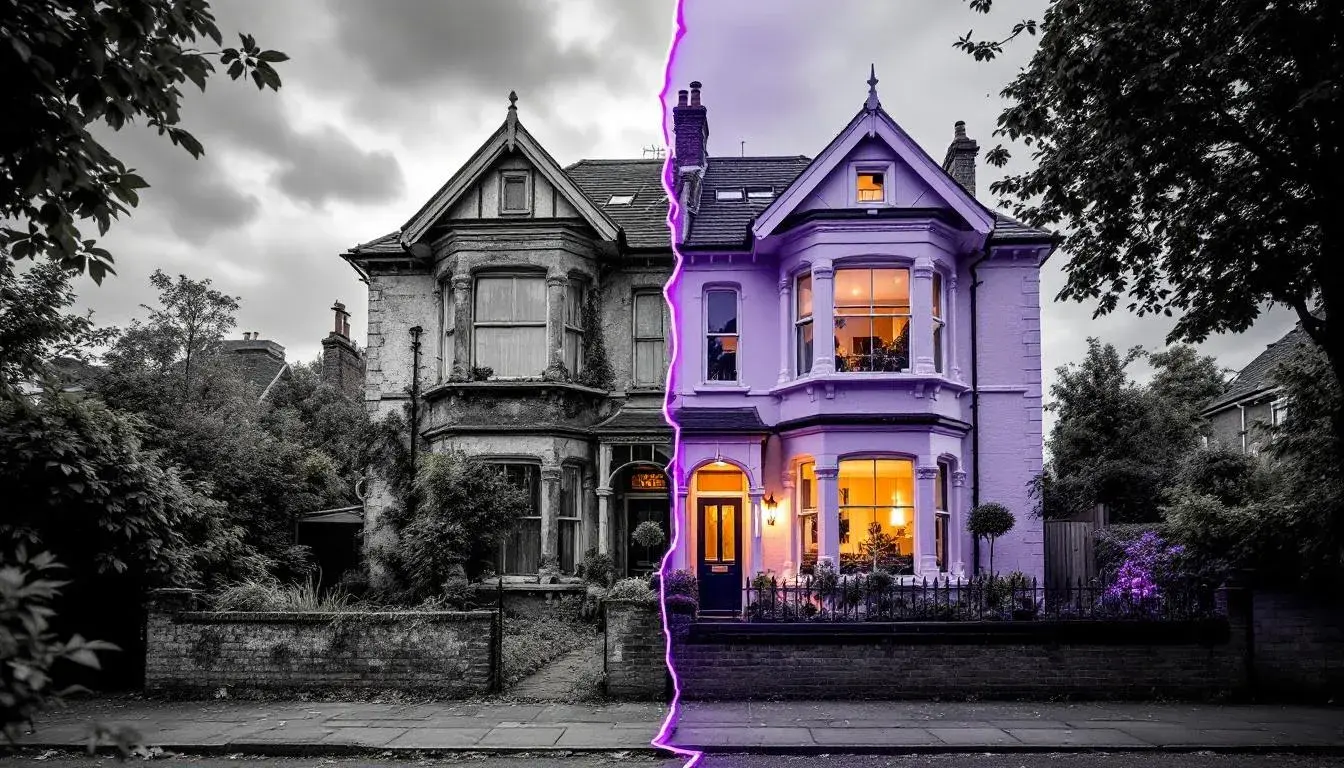
Why a short-term bridge can unlock a long-term home
Bridging finance lets you move quickly when the right fixer-upper appears, especially at auction or when a property chain falters. It is short-term funding designed to cover the purchase and initial renovations, then be repaid when you refinance onto a standard mortgage or sell. In practice, it helps you compete with cash buyers, complete within tight deadlines, and turn an unmortgageable property into a mortgageable one.
In 2025, bridging has moved beyond developers. Homeowners, first-time buyers, landlords and small investors are using refurbishment bridges to modernise kitchens and bathrooms, tackle structural issues, or add space with extensions. Lenders typically offer up to 75% loan-to-value on residential cases, and specialist products cater for semi-commercial properties too. For time-sensitive opportunities, the ability to draw down funds within days can make the difference between winning and losing a below-market deal.
Rates are priced monthly because the term is short. Current market guides show from 0.75% per month on residential up to 75% LTV, around 0.82% for semi-commercial up to 70% LTV, and roughly 0.99% for second charges up to 70% LTV. Terms usually run 3 to 24 months, and everything hinges on your exit strategy: sale or remortgage. With average industry processing times having tightened to around 52 days last year, experienced brokers will still aim to complete faster when auction deadlines require completion in 28 days.
Regulated residential bridging sits under strengthened FCA guidance in 2025, with firmer checks on affordability and evidence of a realistic exit. That improves consumer protection and reduces the risk of surprises later. A good broker will set out costs, timescales and legal steps clearly so you can plan the refurbishment and refinancing with confidence.
The right bridge should buy you time, not pressure. Pick a term that comfortably covers works, sign-off, and refinance.
Who benefits most from a bridge?
If you have found a property that needs work before a high-street lender will consider it, a refurbishment bridge can move you forward. First-time buyers targeting cheaper homes to improve, homeowners who want to break a chain without discounting their current sale, and buy-to-let investors planning value-adding refurbishments all see strong results. Auctions are a natural fit too, where you must complete quickly and properties often need updating.
You will likely value bridging if speed, flexibility and the ability to fund works upfront outweigh the higher monthly cost compared with a standard mortgage. If you prefer certainty over pace and the property is already mortgageable in its current state, a conventional mortgage may be better.
Your bridging choices at a glance
First charge bridge - lowest rates, secured as primary charge on the property being purchased or owned outright.
Second charge bridge - sits behind an existing mortgage, useful if you want to keep your current deal.
Refurbishment bridge - releases funds for purchase and works, suited to unmortgageable or tired properties.
Auction bridge - tailored for 28-day completion and quick drawdown.
Semi-commercial bridge - for mixed-use properties with residential plus commercial elements.
Cost, timing, returns and risk overview
| Aspect | What to expect | Typical figures | Key considerations |
|---|---|---|---|
| Cost of finance | Monthly interest plus fees | From 0.75% residential, 0.82% semi-commercial, 0.99% second charge | Arrangement, legal, valuation, exit fees may apply |
| Works budget | Labour, materials, contingencies | 10%-15% contingency recommended | Stage releases may be used for heavy works |
| Timeline | Purchase and refurb, then exit | Completion often within weeks, average 52 days reported; auctions 28 days | Allow time for building control and legals |
| Potential return | Value uplift from improvements | Depends on scope and local market | Remortgage against higher post-works value or sell |
| Principal risks | Delays, cost overruns, exit slippage | Penalty interest if term exceeded | Have a plan B exit and buffer |
Can you qualify, and what will lenders ask?
Eligibility hinges on security, equity and a credible exit. Lenders will assess the property condition, proposed works, and the after-works value to judge whether your plan stacks up. Up to 75% LTV on residential is common, with lower limits for second charges and semi-commercial. If the property is uninhabitable, that is not a barrier for bridging, but you will need a clear schedule of works, realistic costs and timeframes, plus professionals to deliver them.
For regulated residential bridges, 2025 rules require stronger checks on affordability and more explicit evidence of how you will repay. That could be a sale of another property, or a remortgage once works are complete and the home is mortgageable. Applicants should expect valuation, legal due diligence and identity checks. Using Kandoo as your broker means we coordinate lenders, valuers and solicitors, and present your case in a way that answers underwriters’ questions upfront. If you are already mortgaged elsewhere, a second charge can preserve your current rate, albeit at a slightly higher monthly cost.
From offer to exit in clear steps
Speak to Kandoo to map your budget and exit.
Choose first or second charge based on equity.
Instruct valuation and share your works schedule.
Solicitors run legals while underwriting progresses.
Receive formal offer and arrange drawdown.
Complete purchase and begin refurbishment works.
Monitor costs, timelines and milestone inspections.
Exit via sale or remortgage before term end.
Benefits and trade-offs
| Pros | Cons |
|---|---|
| Speed - compete with cash buyers and meet auction deadlines | Higher monthly cost than standard mortgages |
| Funds for purchase and refurb in one facility | Valuation and legal fees add to upfront costs |
| Works can turn unmortgageable homes mortgageable | Exit risk if market shifts or delays occur |
| Flexible structures including second charge | Short terms require disciplined project management |
| Potential to capture value uplift quickly | LTV caps limit borrowing on some properties |
Read this before you sign
Bridging is effective when timelines and costs are managed tightly. Build a contingency into your works budget and your loan term to absorb delays from planning, building control or material supply. Be realistic about your exit: if you plan to remortgage, check that the target lender will accept the property once works are finished, and that your projected after-works value is supported by local comparables. For sale exits, sense-check demand and pricing with multiple agents.
If you are breaking a chain, a bridge can prevent a forced discount and preserve value. There are real-world cases where borrowers completed on their new home, sold later and cleared the bridge with a profit after fees. Still, remember interest accrues monthly, and if you overrun, default rates can apply. A broker who pressure-tests your numbers can save time and reduce risk.
If a bridge is not the right fit
Standard mortgage - when the property is already mortgageable and timelines are relaxed.
Further advance or remortgage - raise funds on your current home if rates and early repayment charges make sense.
Secured loan - a longer-term second charge if you need extended repayment.
Development finance - for heavy structural works and ground-up projects.
Personal loan - smaller, quick repairs within unsecured lending limits.
Common questions, answered
Q: How much can I borrow for a fixer-upper? A: Residential bridges commonly go up to 75% LTV, with loan size driven by property value, experience and the exit route. Heavy works may require staged releases.
Q: What are typical rates and fees in 2025? A: Market guides show from 0.75% per month for residential, around 0.82% for semi-commercial, and roughly 0.99% for second charges. Expect arrangement, valuation, legal and sometimes exit fees.
Q: How fast can I complete, especially for auctions? A: Auctions often require completion in 28 days. With preparation, a broker can aim to meet that. Industry averages around 52 days show why early instruction of solicitors and valuers matters.
Q: What is the exit strategy and why is it crucial? A: Your exit is how you repay - sale or remortgage. Lenders will test its realism. Choose a term that comfortably covers works plus refinance or marketing time.
Q: Can I use a bridge if I already have a mortgage? A: Yes. A second charge bridge can sit behind your existing mortgage so you keep your current rate, though monthly costs are usually higher than first charge.
Q: Is bridging regulated and safe for homeowners? A: Regulated residential bridging follows FCA guidance in 2025 with stronger affordability checks and exit verification. Using an experienced broker helps ensure compliance and clarity.
How Kandoo helps you move first
Kandoo is a UK-based retail finance broker that understands the urgency behind renovation opportunities. We compare specialist lenders, sense-check budgets, and structure exits that stand up to underwriting. Speak to us early, and we will align valuation, legal work and drawdown so you can buy, refurbish and refinance on time.
Next step: Request a tailored illustration with projected costs, timelines and exit options.
Important information
This article is for general guidance only and is not advice. Bridging loans are secured on property and may be regulated depending on use. Always consider affordability, risks and alternatives before proceeding. Rates and availability can change with market conditions and policy decisions including the UK Budget.
You can also use our Bridging loan calculator to estimate interest, fees and total repayment costs.
Buy now, pay monthly
Buy now, pay monthly