Bridging finance for energy upgrades
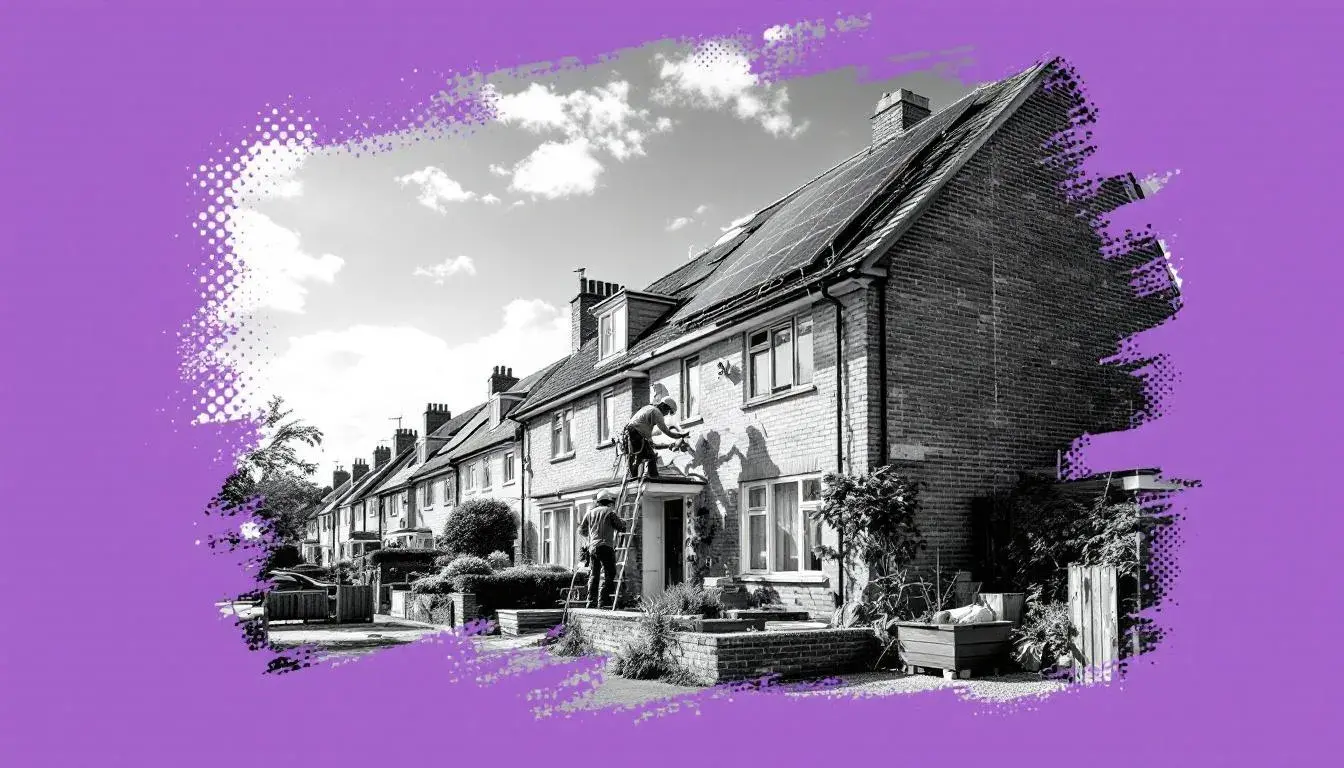
Why rapid funding is reshaping green property upgrades
Upgrading UK homes and commercial buildings for energy efficiency is no longer optional. With the national drive towards net zero by 2050 and minimum EPC expectations tightening, landlords and business owners face a clear reality: properties that fail to improve will be harder to let, more expensive to run, and risk falling behind. The challenge is timing. Traditional mortgages can be slow, offer limited flexibility for refurbishment, and may not release funds until after works are complete. Bridging finance is designed for this gap - it delivers funding in days, not months, so energy upgrades can start immediately.
Used well, bridging allows owners to install insulation, solar panels, heat pumps, double or triple glazing, and even EV charging points on tight schedules. It also supports commercial projects like lighting refits or small-scale renewables. For investors, bridge-to-let structures help acquire a property, complete energy improvements, and then refinance onto a long-term buy-to-let mortgage at a stronger EPC rating. The result is a cleaner, more efficient property that costs less to operate and is more attractive to tenants.
In today’s market, speed and certainty carry a premium. Bridging loans offer flexible terms, interest options, and security across single assets or portfolios. They can be aligned to ESG objectives, which is increasingly rewarded by lenders via preferential pricing or higher loan-to-value brackets for energy-focused works. For many, the calculation is straightforward: act now with short-term capital, capture the savings and rental uplift, then refinance once the property meets lender and regulatory thresholds.
This approach does more than meet rules. It allows owners to stay competitive as tenant demand shifts towards warmer, quieter, lower-bill homes. It positions portfolios for 2025 and beyond, with finance that keeps projects moving even when mainstream lending is cautious. In a period of elevated rates and tighter affordability checks, bridging can be the practical route to delivering the upgrades that matter.
Understanding APR is not just about percentages - it is about what you will pay in real terms while your property gains value and efficiency.
Who benefits most from this approach
Landlords preparing for EPC C by 2030 will find bridging especially useful where multiple properties need upgrades in sequence. Investors using a buy, improve, refinance strategy can move quickly between purchases, works, and long-term remortgages without waiting for slow completions. Owner-occupiers undertaking substantial retrofits may also benefit where grant timings, contractor availability, or price volatility make speed essential.
Commercial freeholders can use bridging to implement energy projects that cut operating costs and improve tenant appeal, such as solar PV and heat pumps. Developers completing part-built assets or change-of-use schemes can integrate energy improvements while the short-term loan is in place, then exit via sale or refinance.
Your upgrade funding routes
Standard bridging loan for refurb and energy works
Bridge-to-let for purchase, EPC improvements, and refinance to BTL
Commercial bridging for business premises energy projects
ESG-linked bridging with pricing aligned to green outcomes
Second charge bridging against existing equity for retrofit costs
Development exit bridging to finish energy measures before sale
Cost, impact, returns, and risks
| Aspect | Typical range or effect | What to consider |
|---|---|---|
| Interest rate | Monthly 0.6% - 1.2% | Pricing varies by LTV, property type, borrower profile, and scope of works |
| Fees | 1% - 2% arrangement, plus legal and valuation | Budget for broker, legal, survey, and potential monitoring costs |
| Term | 3 - 18 months | Choose a term that covers contractors, grid permissions, and refinance timelines |
| Works budget | £10k - £250k+ | Insulation, glazing, heat pumps, PV, heating controls, EV chargers |
| Energy impact | EPC uplift to C or better | Higher ratings improve mortgage options and rental appeal |
| Running cost savings | 10% - 50% energy bill reduction | Depends on property type, measures, and occupant behaviour |
| Value uplift | 3% - 10%+ potential | Stronger demand and compliance can support resale and LTV |
| Key risks | Overruns, refinance delays, rate volatility | Build in contingencies and realistic exit plans |
Who is eligible and what lenders look for
Most UK landlords and property owners with sufficient equity can access bridging finance, subject to standard underwriting. Lenders will review the property’s current value, proposed works, anticipated post-works value and EPC rating, as well as your exit strategy. For many, the exit will be refinance to a buy-to-let or commercial mortgage once improvements are complete and the EPC is at target level. Others may choose to sell upon completion of the upgrades.
Evidence helps. A clear schedule of works, contractor quotes, and, if relevant, an energy assessment or proposed EPC can strengthen the case. Where projects include renewables such as solar or heat pumps, lenders may request installation plans and grid approvals. Affordability tends to be assessed on the project’s overall viability and the security’s value, rather than traditional income metrics alone.
As a UK-based retail finance broker, Kandoo works with a panel of specialist lenders that understand energy-focused bridging. If your project is time critical, we can help position the application to match the lender’s criteria from the outset, improving certainty and speed.
From application to upgrade - the steps
Outline project, budget, timeline, and exit strategy
Obtain quotes and a provisional EPC improvement plan
Choose bridging structure and agree indicative terms
Submit application with valuations and legal starts
Lender underwrites security and works scope
Receive funds and commence energy upgrades
Monitor progress and prepare refinance or sale
Exit the bridge on completion and certification
Weighing it up
| Pros | Cons |
|---|---|
| Fast access to funds, often within days | Higher monthly cost than long-term mortgages |
| Flexibility to fund varied energy measures | Fees and valuations add to overall cost |
| Supports EPC C targets and tenant demand | Requires a clear, credible exit strategy |
| Can enhance refinance terms and LTV | Market or rate shifts may affect exit timing |
| Potential value uplift and lower running costs | Project overruns can extend interest period |
Points to check before you commit
Before proceeding, map out a realistic works timetable, including contractor lead times and any permissions. Build a contingency into both budget and term to allow for weather, supply delays, or specification changes. Ensure your exit route is credible and documented, whether that is refinance or sale, and speak with prospective long-term lenders early to understand EPC and product requirements. Consider how different measures interact - for example, insulation before heating upgrades - to maximise performance and value for money. Finally, confirm that the works will move the property to the target EPC rating to avoid needing a second round of financing.
Alternatives if bridging is not the right fit
Green home improvement loans for smaller retrofit projects
Personal loans for limited-scope upgrades with quick turnaround
Secured home improvement borrowing via remortgage or second charge
Government schemes and grants where available for heat pumps and insulation
Business energy efficiency financing for commercial premises
Vendor incentives or staged works tied to purchase negotiations
FAQs
Q: How quickly can bridging funds be released for energy upgrades? A: With a complete application, valuation, and legal work, funds can be released in a matter of days. Timelines depend on complexity, title issues, and the lender’s process.
Q: Will a higher EPC rating reduce my long-term mortgage costs? A: Potentially. Many lenders are prioritising energy-efficient properties with sharper pricing or higher loan-to-value brackets, particularly for EPC C and above.
Q: What if my project overruns and the bridge term expires? A: You can often extend, subject to lender consent and fees. It is safer to set a conservative term and include contingencies at the outset.
Q: Can I roll up interest to protect cash flow during works? A: Yes. Many bridging loans allow retained or rolled-up interest, reducing monthly outgoings while improvements are underway.
Q: Are renewables like solar and heat pumps acceptable works? A: Typically yes. Lenders commonly fund insulation, glazing, heating upgrades, solar PV, and EV chargers, provided quotes and plans are documented.
Q: Is bridge-to-let suitable for first-time landlords? A: It can be, if the case is well structured with a clear exit. Lender criteria vary, so broker guidance is useful for new investors.
How Kandoo can help
Kandoo connects UK borrowers with specialist lenders that understand energy-focused projects and time-sensitive deals. We help you compare rates, structure the loan, and prepare a strong application so funds arrive when you need them. Speak to us to explore options and turn your energy upgrade plan into a practical, financeable project.
Important information
This content is for information only and is not advice. Product availability, eligibility, and pricing depend on your circumstances and lender criteria. Property values and regulations can change. Always seek independent advice before committing to any finance agreement.
You can also use our Bridging loan calculator to estimate interest, fees and total repayment costs.
Buy now, pay monthly
Buy now, pay monthly