Bridging finance for eco-homes
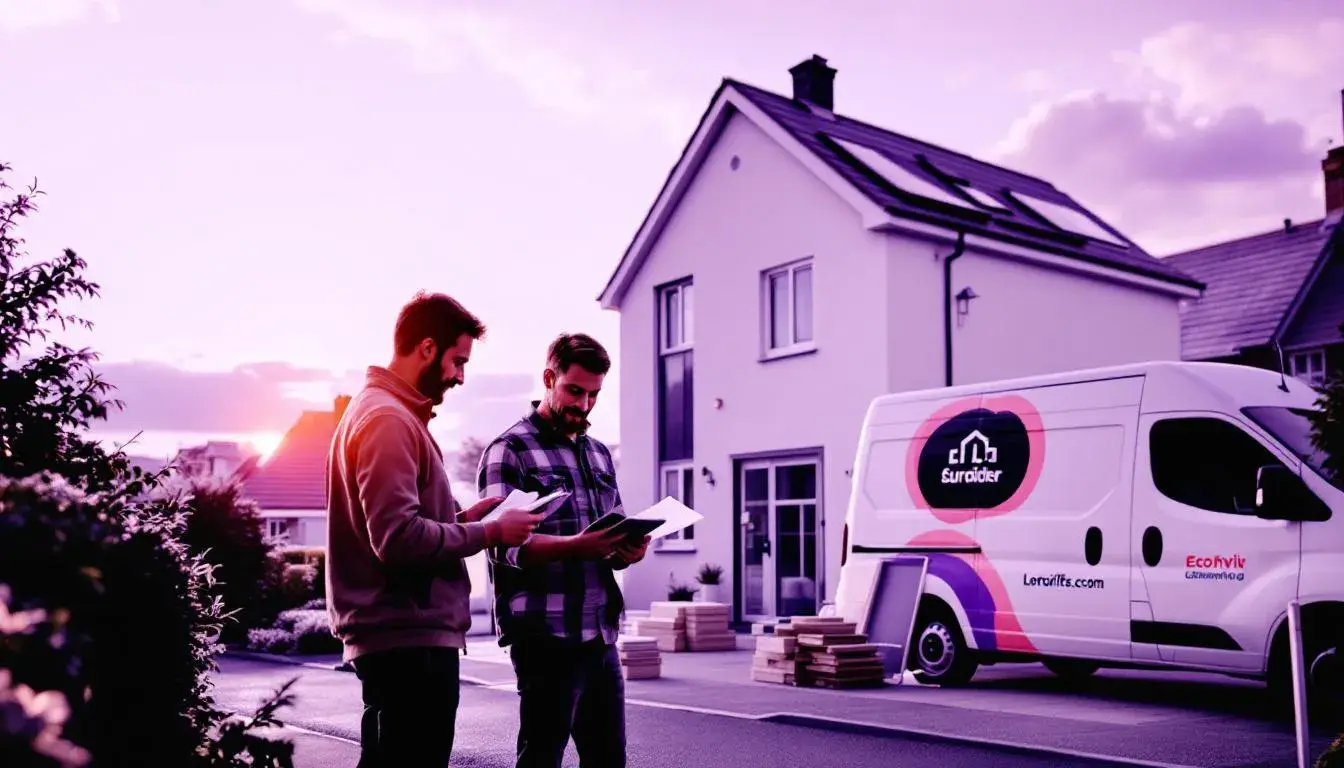
Why speed matters for eco projects right now
Bridging finance has moved from niche to mainstream because timing has become the decisive factor in UK property. Home purchases are falling through more often, leaving buyers scrambling to keep chains intact. The result is a surge in short-term, fast-completing loans that act like an insurance policy against a broken chain. For anyone pushing an eco upgrade or a modular build, speed is not a luxury. It is the difference between securing a property, meeting stamp duty deadlines in England and Northern Ireland, and getting contractors on site before costs creep higher.
Rates for bridging have softened through 2025 as base rates stabilised and lenders competed more keenly. Average monthly pricing near 0.81% has been cited in recent product windows, and conservative loan-to-value expectations have kept risk manageable. That combination has encouraged lenders to expand product menus, including green features and no-valuation options on suitable properties. At the same time, lenders are using desktop valuations, AVMs and slicker portals to reduce friction. In high-data urban areas, that can shave days off completion. Rural locations still benefit, but expect more manual checks.
Eco-focused projects are increasingly funded by bridges: light refurbishments, net-zero retrofits and permitted development conversions. Developers use them to start work quickly, add value and refinance once planning uplift or EPC improvements are achieved. Landlords are turning to green bridging to reach EPC standards ahead of tighter enforcement, then switching to long-term green mortgages. The principle is simple. Use a short-term loan to fix timing problems or unlock value, then exit into cheaper, longer-term finance when the property is improved.
Understanding APR is important, but so is understanding real cash cost. Fees, interest method and exit plans decide if a bridge works for you. A credible strategy might be a remortgage to a green mortgage, a sale at enhanced value, or refinance with a development lender. Get quotes from contractors, a realistic timetable and planning clarity, especially where local rules differ across England, Wales and Scotland. Do that, and bridging can be a practical, reliable tool for eco-home ambitions.
Who benefits from this approach
If you are buying a home and fear a chain break, bridging can secure completion while your sale catches up. If you are a landlord facing EPC targets, a short-term loan can fund insulation, heat pumps or fabric upgrades before switching to a greener mortgage. Self-builders and renovators use bridging to move quickly on modular or off-site elements where delays are costly. Developers needing speed for permitted development or light refurbishments use bridges to capture value sooner. In every case, the key is clarity on the exit and a sensible cushion for timing or cost overruns.
Funding routes you can consider
Standard regulated bridge - for a property you will live in.
Unregulated bridge - for investment, buy-to-let or development scenarios.
Green-tilted bridge - pricing or features aligned to EPC improvements.
Light refurbishment bridge - for non-structural upgrades and retrofits.
Auction bridge - accelerated timelines with desktop valuations where suitable.
Development-style bridge - longer terms and staged drawdowns for complex eco works.
No-valuation or AVM-led bridge - case dependent and usually in data-rich areas.
Cost, impact, returns and risks at a glance
| Aspect | Typical costs and fees | Impact on timeline | Potential returns | Key risks |
|---|---|---|---|---|
| Interest | From c. 0.7% - 1.1% per month depending on LTV, property and profile. Rolled or serviced options available. | Monthly costs accrue, but faster completion can protect chains and contractor schedules. | Value uplift from EPC improvements, faster sale, or lower long-term mortgage rates. | Rate changes at refinance, or extended works increasing interest accrual. |
| Arrangement & broker | Arrangement 1% - 2%, plus broker fees where applicable. | Paid at completion, often deducted from advance, keeping cash flow manageable. | Faster access to funds can reduce holding costs and avoid penalties. | Overpaying on fees if you do not compare lenders effectively. |
| Valuation & legals | Valuation, legal fees and searches vary by location and complexity. AVMs can lower time and cost. | Desktop valuations can cut days. Legal readiness dramatically speeds completion. | Quicker start means earlier uplift from works or a secured purchase. | Down-valuations, title issues or slow conveyancing creating delays. |
| Exit costs | Redemption fees and legal costs to refinance or sell. | Clear exits prevent last-minute extensions and extra interest. | Successful exit locks in gains and reduces long-run borrowing costs. | Weak exit plans or market shifts hindering refinance or sale. |
Who is likely to be eligible
Eligibility hinges on the asset, your exit and your track record. Lenders want credible evidence that you can complete the eco works and transition to longer-term finance or sell within the agreed term. Expect conservative loan-to-value limits that reflect property type, location and project scope. Stronger cases include detailed contractor quotes, a realistic timeline, planning or building control confirmations where needed, and an EPC pathway that shows how the rating will improve.
If you are purchasing at auction or protecting a chain, proof of funds for the balance and clean title are critical. For landlords, lenders increasingly scrutinise EPC upgrade plans and whether your chosen products and installers align to UK standards. In urban, data-rich postcodes, AVM-led valuations may be possible. Rural or unusual properties typically require full valuations and more diligence. Kandoo can help package your application, match you to UK lenders that understand green upgrades, and present a clean exit route to improve approval odds.
From application to funds in your account
Share your goals, timeline and exit route with a broker.
Provide documents, ID, property details and project quotes.
Lender issues terms in principle, subject to valuation and legals.
Valuation arranged - desktop or full inspection as appropriate.
Legal work progresses while you finalise contractor schedules.
Offer issued, fees agreed, and conditions satisfied.
Funds draw down and works or completion proceed.
The trade-offs to weigh up
| Pros | Cons |
|---|---|
| Fast access to capital for chain protection and eco works. | Higher monthly cost than long-term mortgages. |
| Flexible structures for refurb, modular and staged projects. | Requires a credible and time-bound exit strategy. |
| Potential to unlock green mortgage pricing post-upgrade. | Valuation and legal hurdles can delay completion. |
| Tech-enabled decisions and AVMs speed suitable cases. | Rural or complex properties often need more checks. |
Before you commit
Plan your exit first. If your route is a remortgage to a green mortgage, speak to potential lenders early to understand EPC thresholds, product criteria and any required installer accreditations. Build a timeline that reflects real contractor availability, lead times for materials and seasonal constraints for external works like insulation or solar. Keep a contingency for overruns so an unexpected delay does not force an extension. In England and Northern Ireland, confirm stamp duty timings and reliefs. In Wales and Scotland, check devolved rules and planning nuances. Finally, compare total cost across lenders, including interest, fees and legals, rather than focusing on the headline monthly rate alone.
Alternatives worth comparing
Green remortgage or further advance once EPC improved.
Development finance for larger or structural schemes.
Personal loans for smaller, quick-win energy upgrades.
Grants and local authority schemes where available.
Second-charge loans secured against existing equity.
Vendor finance or delayed completion agreements.
Frequently asked questions
Q: How quickly can a bridging loan complete? A: Simple cases with desktop valuations can complete in days, especially in urban areas. Complex titles, rural assets or heavy works will take longer due to fuller diligence.
Q: Is bridging cheaper than a mortgage? A: Not monthly. Bridging is a short-term tool with higher monthly costs but lower total cost if used for a brief period to secure or improve a property before refinancing.
Q: What counts as a strong exit plan? A: A realistic remortgage to a green mortgage supported by projected EPC uplift, or a sale with evidence of market demand. Include timelines, quotes and lender criteria.
Q: Can I use bridging for EPC upgrades only? A: Yes. Many borrowers fund insulation, solar or heat pumps, then switch to a longer-term product once the rating improves and a new EPC is issued.
Q: Will a desktop valuation be enough? A: Often in well-known, urban postcodes. Unique properties, rural locations or complex works usually require a full valuation to satisfy lender risk checks.
Q: What LTV can I expect? A: It varies by case. Conservative LTVs are common, with stronger terms for lower leverage, clear exits and reliable contractor plans.
How Kandoo helps you move faster
Kandoo is a UK-based retail finance broker with access to a wide panel of bridging lenders, including providers experienced in eco projects and EPC-led upgrades. We structure your case, organise valuations, and align the finance term to your works schedule and exit plan. Our goal is straightforward: fast decisions, transparent pricing and a smooth path to your refinance or sale.
Important information
Bridging finance is short-term and secured against property. It may not be suitable for all borrowers. Your property may be repossessed if you do not keep up repayments. Always seek independent legal and tax advice, and confirm eligibility and total cost before proceeding.
You can also use our Bridging loan calculator to estimate interest, fees and total repayment costs.
Buy now, pay monthly
Buy now, pay monthly